Why Your Friend's Laser Result Isn't Yours
This happens in my room all the time. Someone walks in, phone out, with a photo of their friend. The friend looks great. Smooth, clear, bright skin after a few laser sessions. My new client wants that exact thing. Same machine, same number of sessions, same result. I understand. You see something that worked for someone you know and you want a repeat.
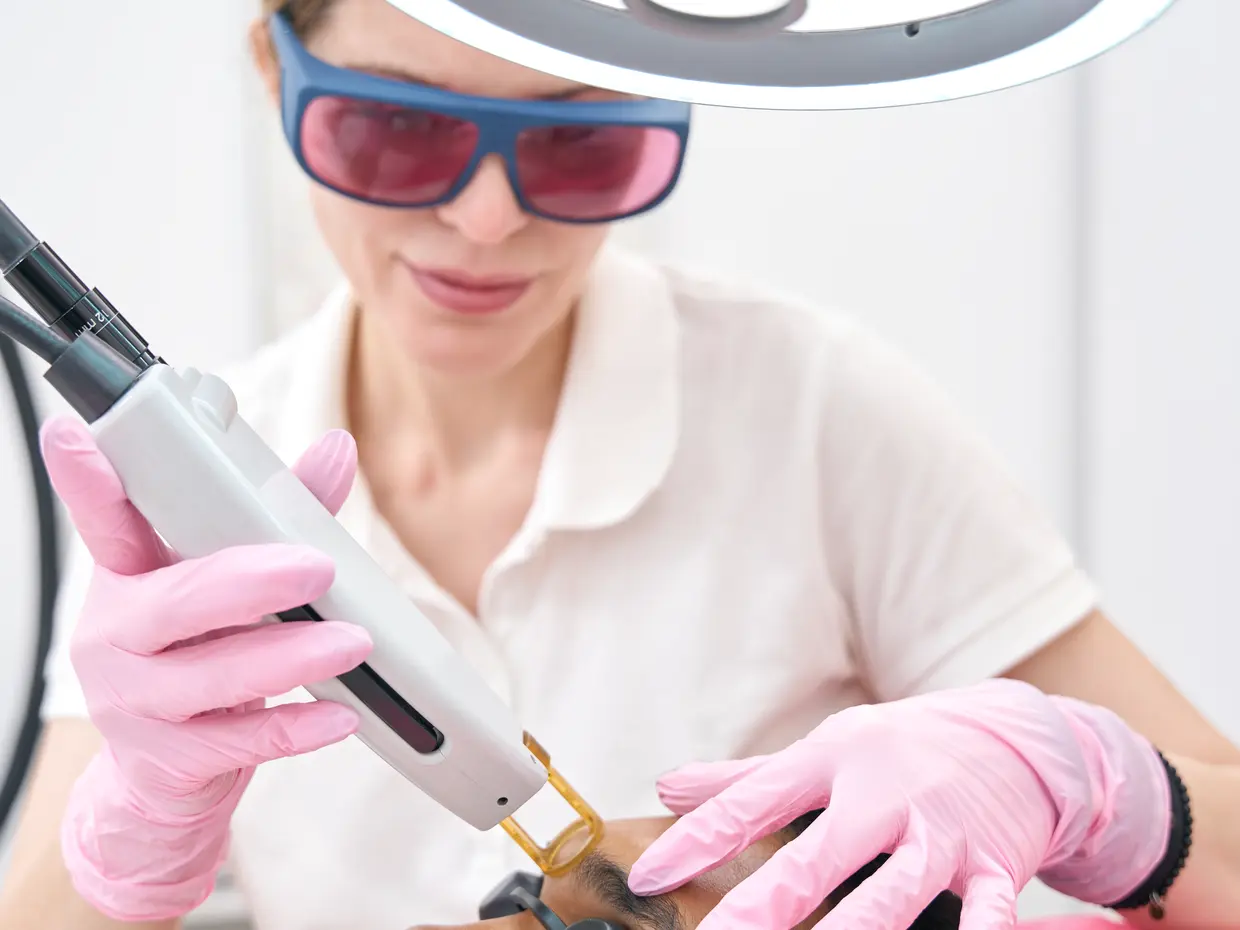
But a laser is not a magic wand, and your skin is not a copy of your friend's. A laser treatment is really a back and forth between the device and your particular skin, and the result depends on what your skin "says" in that moment. When two people get different results from the same laser, it is not luck. Their skin walked in with different issues and different limits.
Your Skin's History Sets the Stage
First thing: lasers do not bleach your skin. They go after something specific, what we call a chromophore. For brown spots, the target is melanin, or pigment. For redness and broken capillaries, the target is hemoglobin in the blood. The laser energy is absorbed by that target, it heats up, breaks down, and then your body clears away the leftovers.
Your result comes from what that target looks like in your skin. Picture two people who both want to treat sun spots. One has a few very dark, obvious spots on very fair skin. The laser has a clean, clear target. Energy is absorbed right where we want it. That person will usually see a very big change, very fast.
Now picture someone else with lighter, hazier pigment that sits deeper in the skin. The target is softer and less defined. It is harder for the laser to "see" the pigment separate from the surrounding tissue. The treatment can still work, but the improvement is more gradual and may look underwhelming after a single session. Same machine, completely different job.
How We Calibrate for Your Skin Type
The biggest variable in any laser room is your natural skin tone, which we sort using the Fitzpatrick scale. It is just a way of classifying skin based on how much melanin it has and how it reacts to the sun, so I know how likely you are to burn or tan. It is not trivia, it is the base of a safe treatment plan.
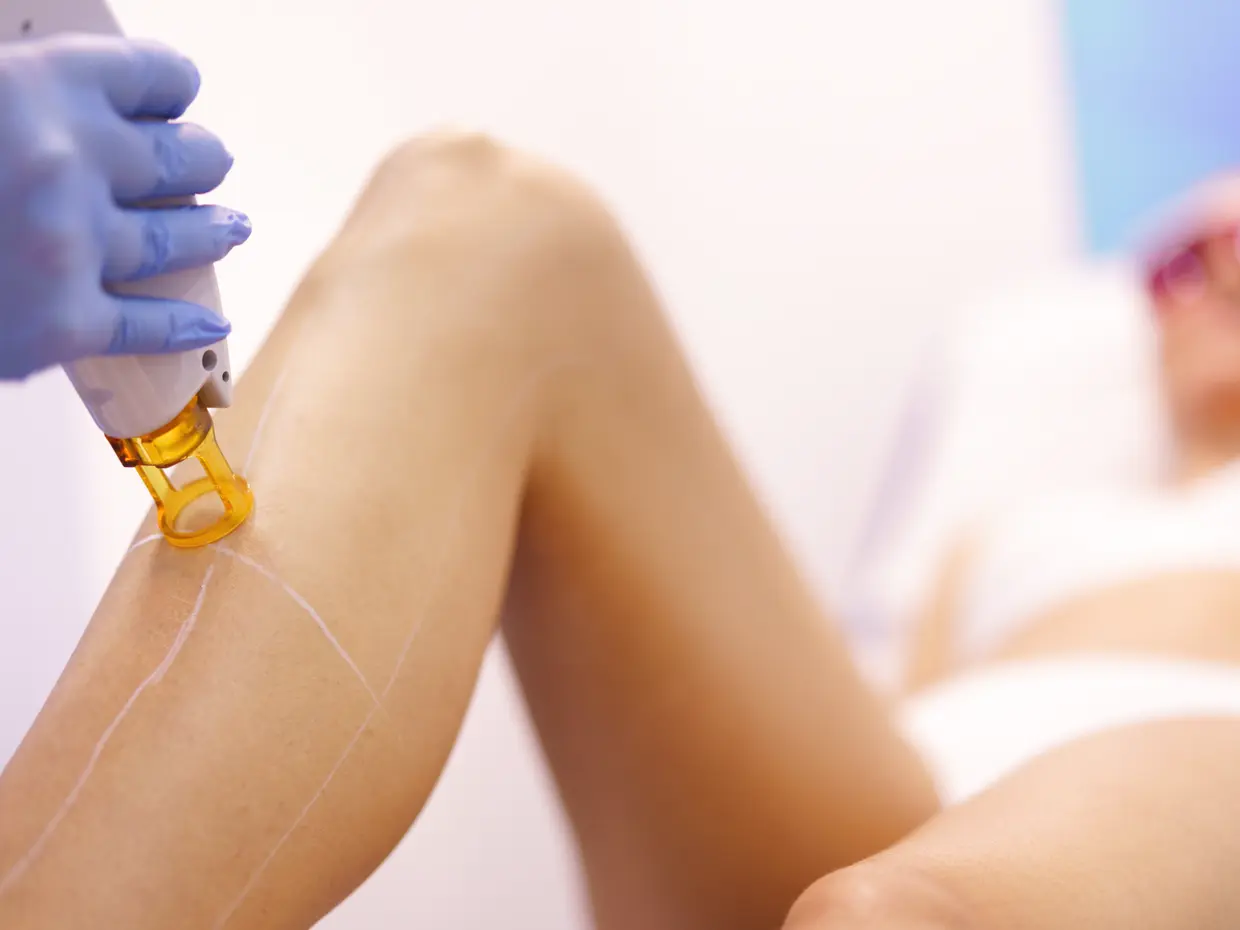
Someone with very fair skin that always burns has very little melanin in their baseline skin. I can use a certain amount of energy on their sun spots without a lot of risk to the surrounding skin. If I copied those exact settings onto someone with a naturally deeper skin tone, the laser might "see" the melanin in their healthy skin as a target too. That is where you can get burns or post inflammatory hyperpigmentation, which is the term for the dark marks that pop up after skin gets irritated or injured.
My job is to adjust the laser settings: energy, pulse duration, cooling. All of it gets matched to your specific skin type. This is why a provider's experience matters more than whatever the machine is called. This level of detail is what a proper laser consult covers.
The Homework Component: Before and After
Your habits outside the treatment room matter a lot. What you do in the weeks before and after your appointment can help or cancel out what I do. Sun exposure is the big one. If you show up with a tan, even a mild one, you just changed the whole equation. A tan is your skin's response to damage, and it means you have extra melanin spread through the area. That makes treatment riskier and usually less effective.
Aftercare is the same story. If one person is consistent with sunscreen and a hat, and another goes right back to long lunches on the patio, their skin will not look the same a few months later. The laser can clean up existing damage, but it cannot stop you from making more of it.
Other things matter too. Your general health, certain medications, smoking, all of that can affect how well and how fast your skin heals. A treatment is a controlled injury meant to kick off a repair response. Anything that supports your body's ability to heal will help your outcome. Anything that slows healing will show up in the mirror.
Not All Skin Problems Are Created Equal
Sometimes a client is sure they have the same problem as their friend, but when I look closely they are dealing with two different conditions that just look similar from a distance. A simple sun spot, or lentigo, is very different from melasma. A lentigo is a fairly straightforward patch of pigment from sun exposure. Melasma is a more complicated pigment pattern that is often tied to hormones, and it can flare from heat and light.
Using a strong laser that works beautifully on a sun spot can make melasma much, much worse. The heat can set off inflammation that brings the pigment back darker than before.
This is why getting the diagnosis right matters. A laser is a tool. A good tool used on the wrong thing will still give you a bad outcome. The whole point is to match the right device to the right condition for the right person. So when you see your friend's great photos, enjoy them, but then put your energy into finding someone who will design a plan for your skin instead of chasing a copy of someone else's result. For broader information on different skin issues, the American Academy of Dermatology has useful basics you can read through.
Marisol Vega is a licensed esthetician in Los Angeles and the author of Sunroom Notes. Nothing here is medical advice; it is a starting point for a conversation with your own provider.
← Back to the journal