What a Laser Session Actually Feels Like
"Is it going to hurt?" That is almost always the first question. The second is usually "How much?" but the first is about the feeling. My honest answer is that it depends, which nobody loves to hear. The sensation of laser work covers a lot of different feelings, and my job is to tell you what is coming and make it as tolerable as we can.
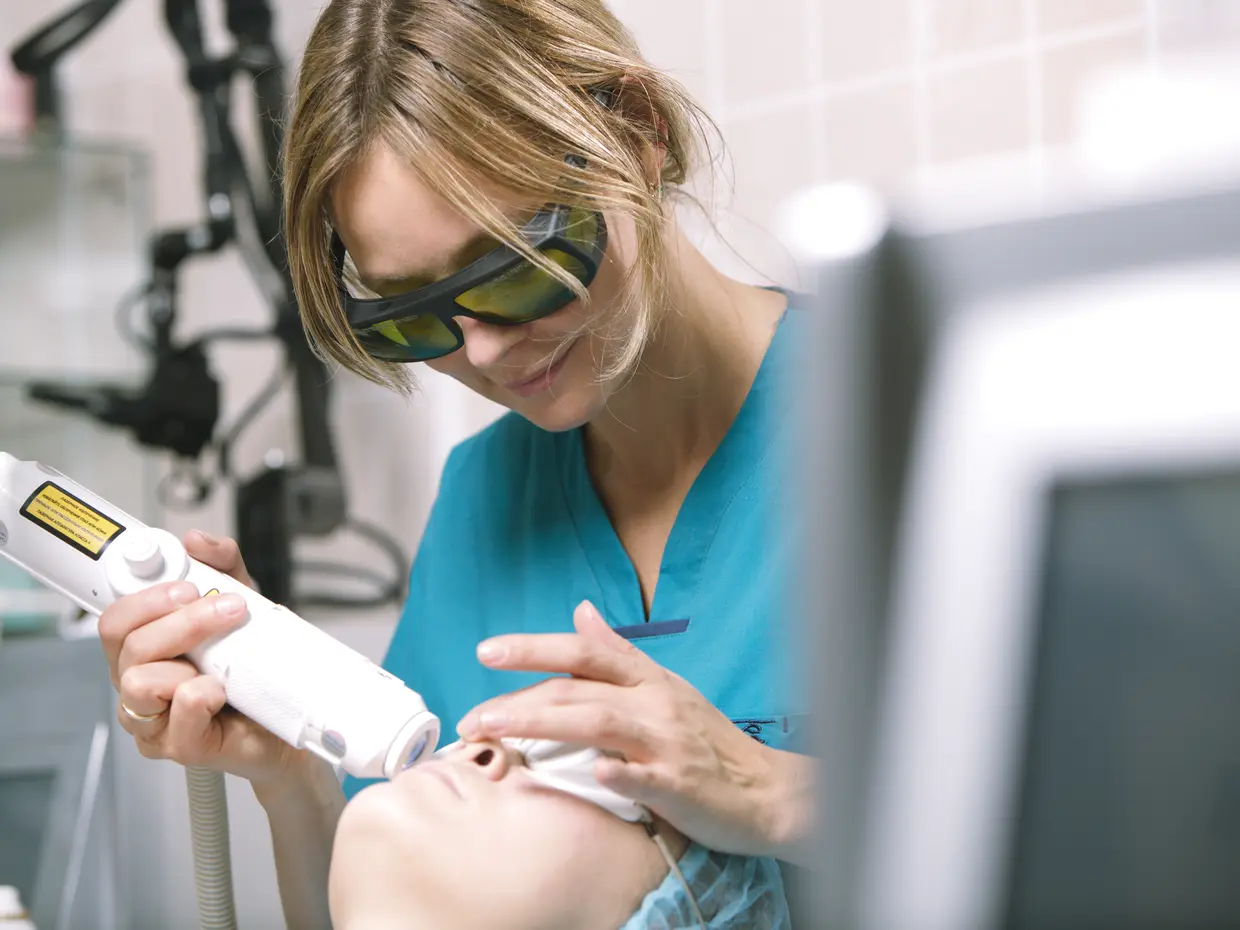
There is no one-size-fits-all feeling. The sensation is tied to the target. Are we going after a brown spot? A red vessel? A hair follicle? Each of those absorbs light in its own way, which creates a different kind of heat and a different feeling on your skin. So here is what is actually happening in the room.
What "Like a Rubber Band Snap" Really Means
"Like a rubber band snap" is the classic line for a laser pulse. It is not wrong, it is just vague. A thin, flimsy office rubber band is very different from one of those thick green ones that hold broccoli together.
A light laser facial might feel like tiny warm snaps, almost like pop rocks on the skin. It is quick and the feeling is gone almost instantly. A laser that goes after deep pigment can feel like a hotter, sharper snap. For hair removal, people often describe it as a zap with a little wave of heat that fades right away. The density of the hair and the sensitivity of the area matter a lot. Your upper lip will always feel more intense than your lower leg.
The analogy is handy, but it leaves out the heat. Most laser sensations are a mix of a quick impact and a burst of warmth. The whole point is controlled thermal injury. We are using heat to create change in the skin. The work on my end is keeping that heat focused where we want it and away from where we do not.
Cool Air, Cold Gels, and Why We Use Them
We have a lot of tools to manage the sensation, and most involve cooling. This is not just for your comfort. It is part of protecting your skin. The laser has to pass through the epidermis, the top layer of your skin, to reach its target below. We want that top layer calm and cool while the energy does its job deeper down.
You might feel a constant stream of very cold air on your skin during the treatment. That comes from a machine that looks a little like a vacuum with a hose, and its only job is to blow sub-zero air. It works well and feels good, especially during stronger treatments.
Some laser handpieces have built-in cooling, like a chilled sapphire crystal at the tip that touches your skin right before the pulse. You feel a deep cold, then the zap, and then the cold again. Other times we smear on a thick, cold ultrasound gel. That helps the laser glide, improves contact with the skin, and adds a layer of cooling. It is messy, but it helps a lot.
When Numbing Cream Helps, and When It Doesn't
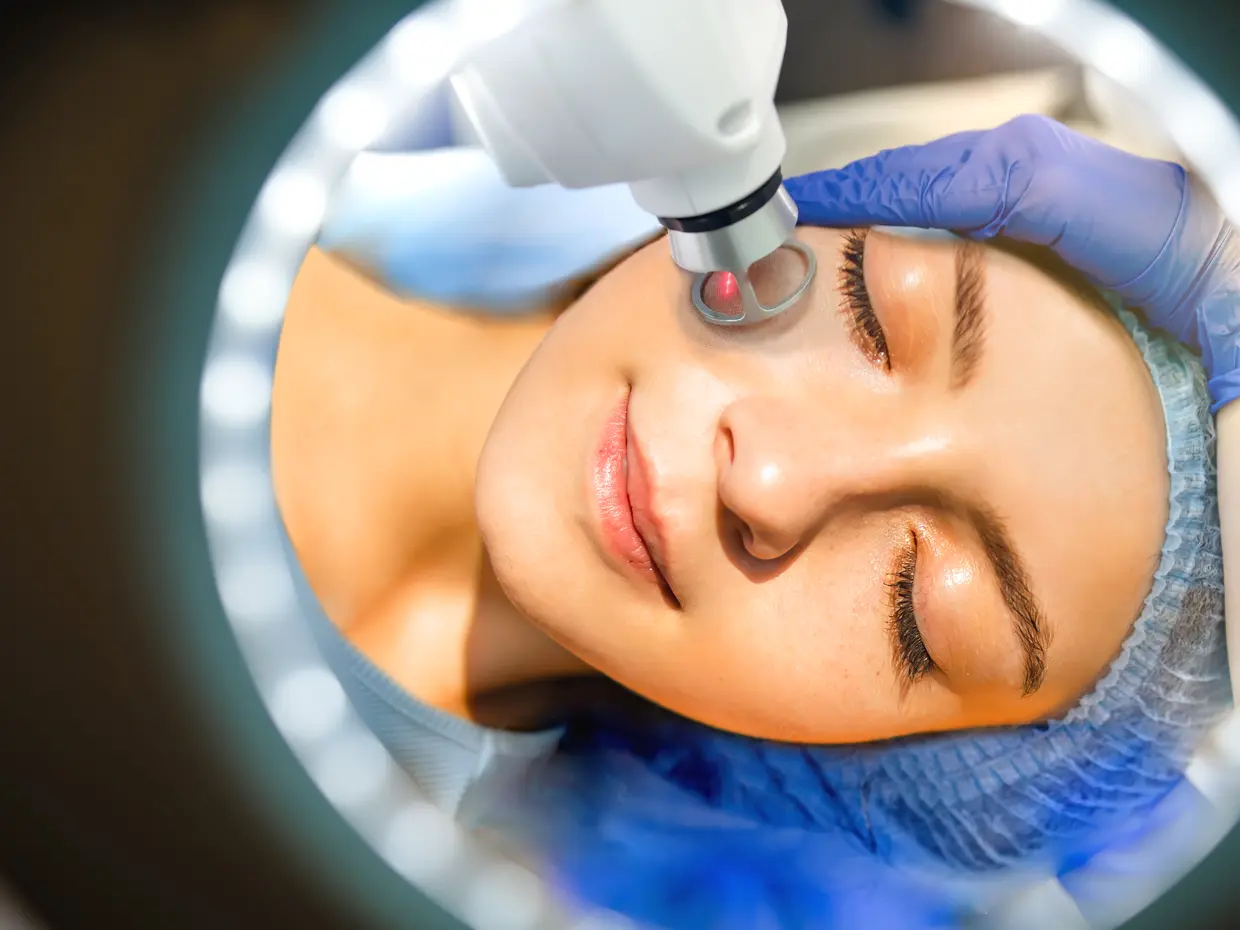
For some of the more intense resurfacing treatments, topical numbing cream is standard. You sit with it on your skin for about an hour before we do anything. It softens the sharpness and turns it into more of a dull pressure or a deep warmth.
But we do not use it for everything. For many treatments aimed at pigment or redness, numbing cream can tighten the blood vessels we are trying to see and treat. That can make the treatment less effective. Sometimes it is not used simply because the treatment is so quick and mild that the hour of numbing would be the longest part of the visit.
There is also a safety piece. I need your feedback. If you are totally numb, you cannot tell me if one spot feels unusually hot. That is useful information for me as I go. We want you as comfortable as we can make you, but not so numb that we lose that safety check.
Your Job in the Treatment Room
Your body and your mood matter. If you walk in on three espressos, jittery and tense, every sensation will feel louder. Try to book on a day when you are not racing from a stressful meeting or running late and sweaty in traffic.
Focus on your breathing. Slow, deep breaths really do calm the nervous system. I can always tell when someone is holding their breath. I will remind you to exhale. You do not have to be a hero. You just have to stay as still as you can and keep breathing.
It also helps to have a realistic plan. Sometimes a series of gentler sessions makes more sense than one aggressive pass, especially if comfort is high on your list. We often find that using a mix of different lasers over time gives better results with less overall discomfort.
Communicating with Your Provider
This part matters a lot. You and the person running the laser are a team. My goal is a good result, not to see how much you can take. I will keep checking in. "How are you doing on a scale of one to five?" I need you to answer honestly.
There is no prize for staying silent. If you need a break, we take a break. If one area is more sensitive, you tell me. I can adjust the settings, add more cooling, or just pause. Finding someone you feel comfortable speaking up with is important. If you have questions about what a specific procedure feels like, you can always talk to a local laser provider who works with these devices every day.
A good provider should walk you through what to expect well before you are on the table. We do not like surprises either. My favorite outcome is when you get up and say, "Oh, that was not as bad as I thought." That tells me we hit the right balance.
Marisol Vega is a licensed esthetician in Los Angeles and the author of Sunroom Notes. Nothing here is medical advice; it is a starting point for a conversation with your own provider.
← Back to the journal