Why Your Laser Treatment Is a Series, Not a Single
"So, can I just do one?" You are in my chair, you have told me what is bugging you about your skin, and I have just walked you through the machine that might help. You want to know the absolute minimum you can do and still see a change. I get it. Life is expensive and time is short.
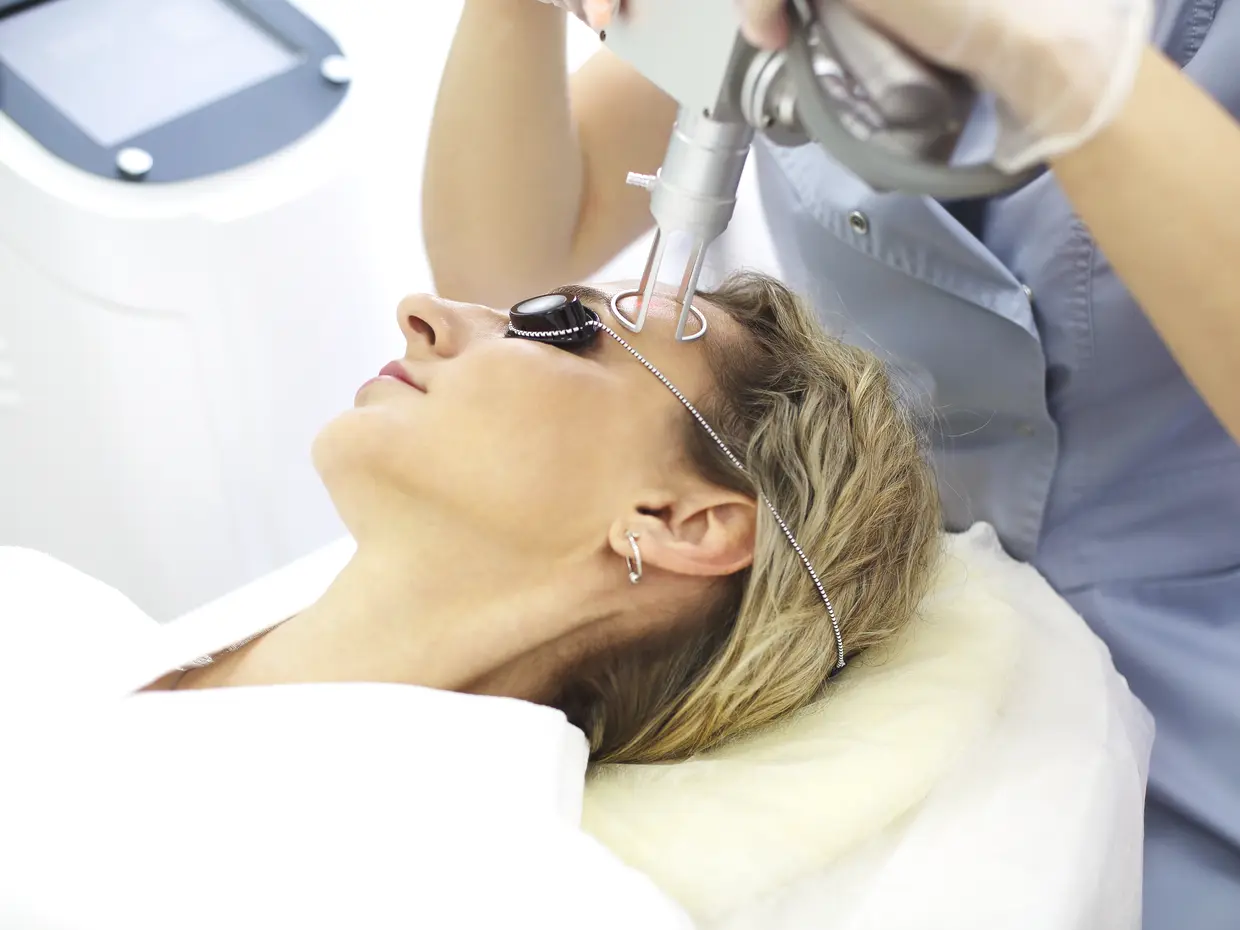
My honest answer is almost always the same: probably not. And it is not because I am trying to sell you a package. Lasers and light therapies are not magic wands. They push on your own biology, and your biology moves at its own pace. One session is more like the first text in a long conversation between the laser and your skin. To get a real result, we usually need a few rounds.
The Slow Work of Skin Cells
Look at the skin you can see and touch right now. That outer layer is the end of a story that started weeks ago, deeper down. New cells are born, then crawl upward and shove the old, tired ones out. That is your skin's turnover cycle.
When we treat things like sun damage or brown spots, the laser is going after pigment tucked into those deeper layers. The beam breaks the pigment into smaller pieces, but they do not disappear on contact. Your body's cleanup crew has to come clear out the mess, and then the fresh, more even skin has to make its slow trip to the surface. One treatment can kick that off, but if you have a lot of damage, there is usually more pigment than we can safely or usefully treat in a single visit.
A series of treatments, spaced a few weeks apart, lets us chip away at that pigment in stages while giving your skin time to heal and turn over. The machine does its part, and then your skin needs time to do its part.
Catching Hair in the Right Phase
Laser hair removal is the clearest example of why a series is not optional. It all comes down to the hair growth cycle. Your hair is not all growing at the same time. Each follicle is on its own schedule.
Every hair goes through three phases: a growing phase, a transition phase, and a resting phase. A laser can only destroy a follicle when it is in that active growing stage. That is when the hair is attached to the base of the follicle and has enough pigment to grab the laser's energy. When a hair is resting, it is just hanging out in the follicle, no real connection to the root. The laser fires, the resting hair does nothing, and that follicle lives to see another day.
At any given moment, only a percentage of your hairs are in that perfect growth window. So we do a treatment, knock out the follicles that are active that day, and then we wait. In a few weeks, a new batch of hairs grows in and hits that active phase, and we go again. We repeat until we have caught most of the follicles in their turn. The laser needs dark pigment to find the follicle, which is also a good word of caution if you have body art in the area we are treating.

Building Collagen Is a Long Game
Maybe you do not care about pigment or hair. You are here for fine lines, texture, or that general slack feeling that creeps in over the years. A lot of laser facials work by nudging your skin to make new collagen.
Collagen is the protein that gives skin its shape and support. The lasers that help it along send controlled heat into the deeper layers. That small, intentional injury tells your body, "We need repairs here." Your skin answers by making new collagen.
But collagen is slow. It is more like starting a workout routine. You do not go once and wake up with new muscles. You build over time, with repeat effort.
Each session is like a workout for your fibroblasts, the cells that make collagen. One visit sends a signal. A series sends a stronger, more consistent signal. That is what gives you better, longer lasting changes in firmness and texture. It stacks. We are not just polishing the surface, we are nudging the deeper structure to rebuild.
When One Session Might Be Enough
There are times when one session really is plenty, but they are rare. If you have a single, obvious, very superficial dark spot, and we use a laser made to lock onto that kind of spot, you might watch it clear after one visit. They are called spot treatments for a reason.
Some very light laser facials can give you a short term glow for an event. They can boost circulation and hydration a bit. But that effect fades. It is a quick freshen up, not a remodel.
For most of the things people see me for, like years of sun damage, lots of hair, acne scars, or more etched in aging changes, one session is not going to give you the change you have in your head. It is better to know that before you start.
A Plan Is Better Than a Single Shot
A treatment series is not just me repeating the same thing over and over. It is a plan. We start, see how your skin reacts, and adjust from there. The settings I use on your first visit might not be what I use on your third. As your skin calms down, pigment lightens, or hair thins, I can tweak the approach so we keep moving in the right direction.
That first consultation matters because that is where we map this out together. A good provider will walk you through why a series makes sense for your specific goal and what each step should look like. When you think of it as a process instead of a one time fix, it is easier to make choices that match your budget, your schedule, and the kind of change you actually want.
Marisol Vega is a licensed esthetician in Los Angeles and the author of Sunroom Notes. Nothing here is medical advice; it is a starting point for a conversation with your own provider.
← Back to the journal