What Lasers Can (and Can't) Do for Acne Scars
In my treatment room, I hear some version of, "I'm finally done with breakouts, but my skin is a mess" almost every week. You get through years of acne, your face calms down, and then you are left staring at what it did to your skin. A lot of people sit in my chair and ask if I can just laser it all away. I wish it worked like that. It doesn't.
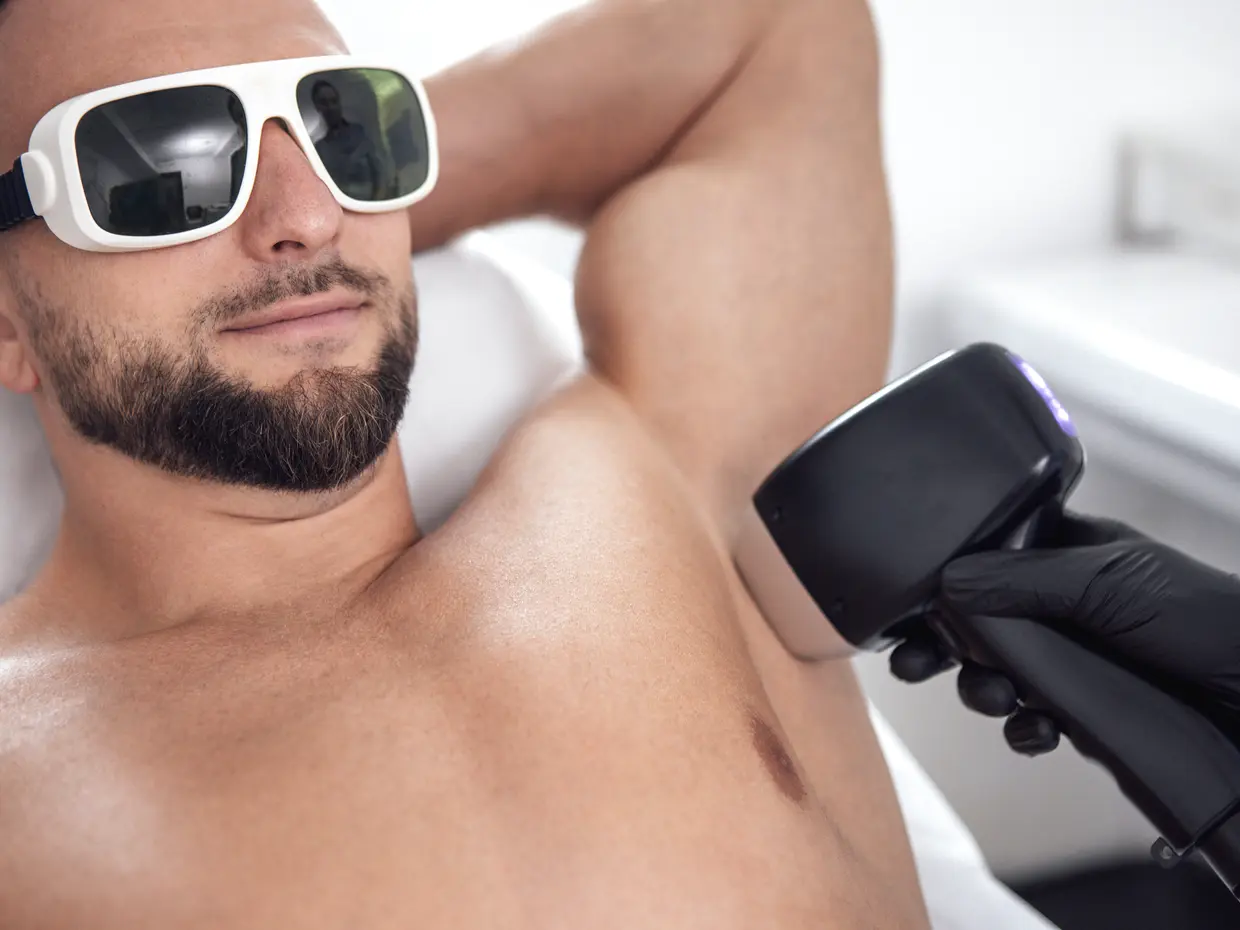
The word "scar" gets used for a lot of different things, from a faint brown spot to a deep pit in the skin. A laser is just a tool, and it only makes sense for certain jobs. The first thing I do in a consultation is figure out what kind of scarring we are actually looking at, because that tells me whether my laser belongs in the plan at all.
The Difference Between Color and Texture
Many of the marks people call "scars" are really color issues. After a pimple heals, it can leave behind a flat red or brown spot. The brown spots are post-inflammatory hyperpigmentation, or PIH. The red spots are post-inflammatory erythema, or PIE. These can respond well to certain lasers and light devices that go after pigment or the tiny blood vessels that give the skin that leftover color.
These red spots are a vascular issue, similar to how we might treat persistent rosacea redness in sensitive skin. They often fade on their own over many months, but a gentle laser session can speed that up. Same idea with brown spots. We can break up that pigment and help your skin move it out more efficiently.
But when we talk about true acne scars, we are usually talking about texture. Indentations in the skin where the healing process did not fill things back in all the way. That is a different problem and needs a different kind of laser.
How Resurfacing Remodels Skin
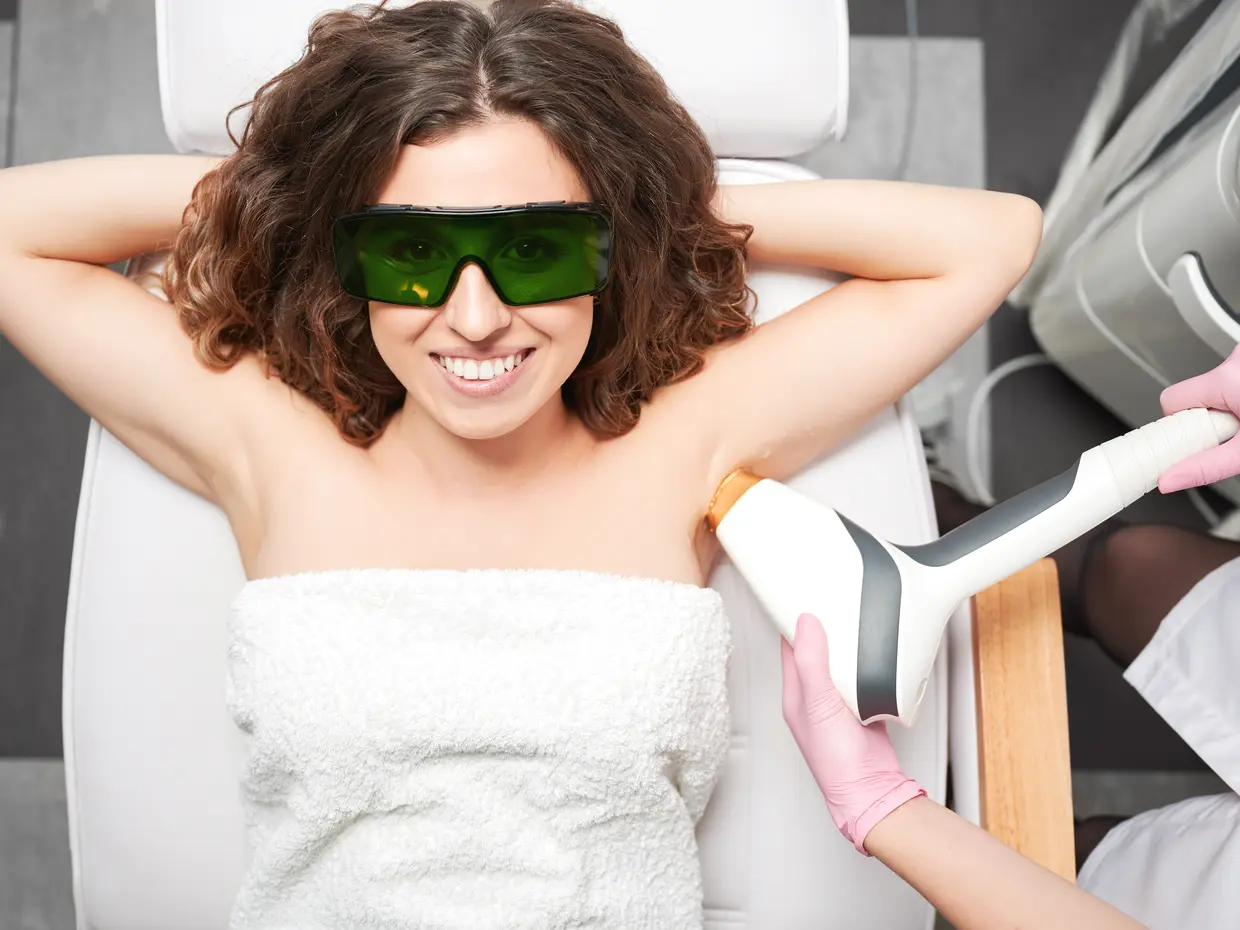
For textural scars, we typically use a fractional resurfacing laser. "Fractional" matters here. Instead of treating the entire surface of your skin, the laser creates thousands of microscopic treatment zones, tiny deep columns of heat, while leaving the surrounding skin intact. It is a little like aerating a lawn.
This controlled thermal injury does two things. First, it vaporizes some of the old, damaged scar tissue inside that column. Second, it kicks your body's healing response into gear. Your skin rushes to repair those tiny channels and in the process makes fresh collagen. That new collagen can help fill in the scars from below and support a smoother surface.
It is slow. We are asking your own body to do the heavy lifting. One session starts the process, but a series of treatments is what usually gives enough collagen change to see a clear difference in the mirror.
The Scars Lasers Work Best On
This collagen-building approach works well for certain shapes of scars. The ones that improve the most tend to be shallower and have softer edges. The classic example for laser resurfacing is what we call "rolling" scars.
Rolling scars are wide depressions with a wavy look. They do not have sharp, cut-out edges. Because they are broad and shallow, stimulating collagen underneath can slowly lift the floor of the scar and even out the surface. Over a series of treatments, we can usually get a soft, gradual smoothing here.
Shallow "boxcar" scars can also do well. These have more defined, steeper edges, like a little crater. A laser is not going to erase them, but it can soften the edges and raise the indented base so they catch the light less harshly. The goal is improvement, not perfection. We are trying to make the overall texture quieter so your eye does not go straight to the scars.
When Laser Is the Wrong Tool
My job is not just to press a button on a laser. It is to know when it is the wrong call. Some scars just do not respond much to resurfacing, and it would be a waste of your time and money to pretend otherwise. The classic example is the "ice pick" scar.
These look exactly like the name: deep, narrow pits, like someone poked the skin with a very fine tool. A resurfacing laser's energy spreads as it goes down, so it cannot reach the very bottom of that narrow column in a meaningful way. It might soften the upper edge a bit, but it will not fill that pit. These do better with other procedures, usually in a dermatologist's office, that can target that tiny deep point directly.
Hypertrophic or keloid scars are another tricky category. These are raised, thick, sometimes rubbery scars where the body produced too much collagen while healing. Using a heat-based laser on them can be risky, because the injury can encourage even more abnormal collagen and actually make the scar larger. These need a very specific, cautious treatment plan, which may or may not involve any laser at all. You want to sit down with a licensed provider who has experience with them and go over realistic options.
Setting Realistic Expectations
If you have the right type of scars for laser resurfacing, the change can be very satisfying. But the process is not glamorous. This is not a quick facial. You will have downtime, usually a few days where you look quite red and sunburnt, followed by flaking or peeling as the old surface sheds.
Your skin does not look great the next day, or even the next week. The real change shows up slowly over the next three to six months as that new collagen builds and settles in.
That is why we space treatments out, usually a month or more apart. Your skin needs time to finish one healing cycle before we start another. It takes patience. We are nudging your skin to repair itself, and that runs on your body's schedule. The aim is a smoother, more even texture so light does not catch in every indentation. We want those scars to stop being the first thing you see.
Marisol Vega is a licensed esthetician in Los Angeles and the author of Sunroom Notes. Nothing here is medical advice; it is a starting point for a conversation with your own provider.
← Back to the journal