Post-Laser Peeling: When It's Normal and When to Call
A few days after a resurfacing treatment, you look in the mirror and your face is flaking off. That first moment can be a little shocking if no one warned you. But for most resurfacing lasers, from light facials to heavy-duty treatments, that peeling is the whole point. We are using focused light to create a small, controlled injury in the skin so your body will start its own repair process.
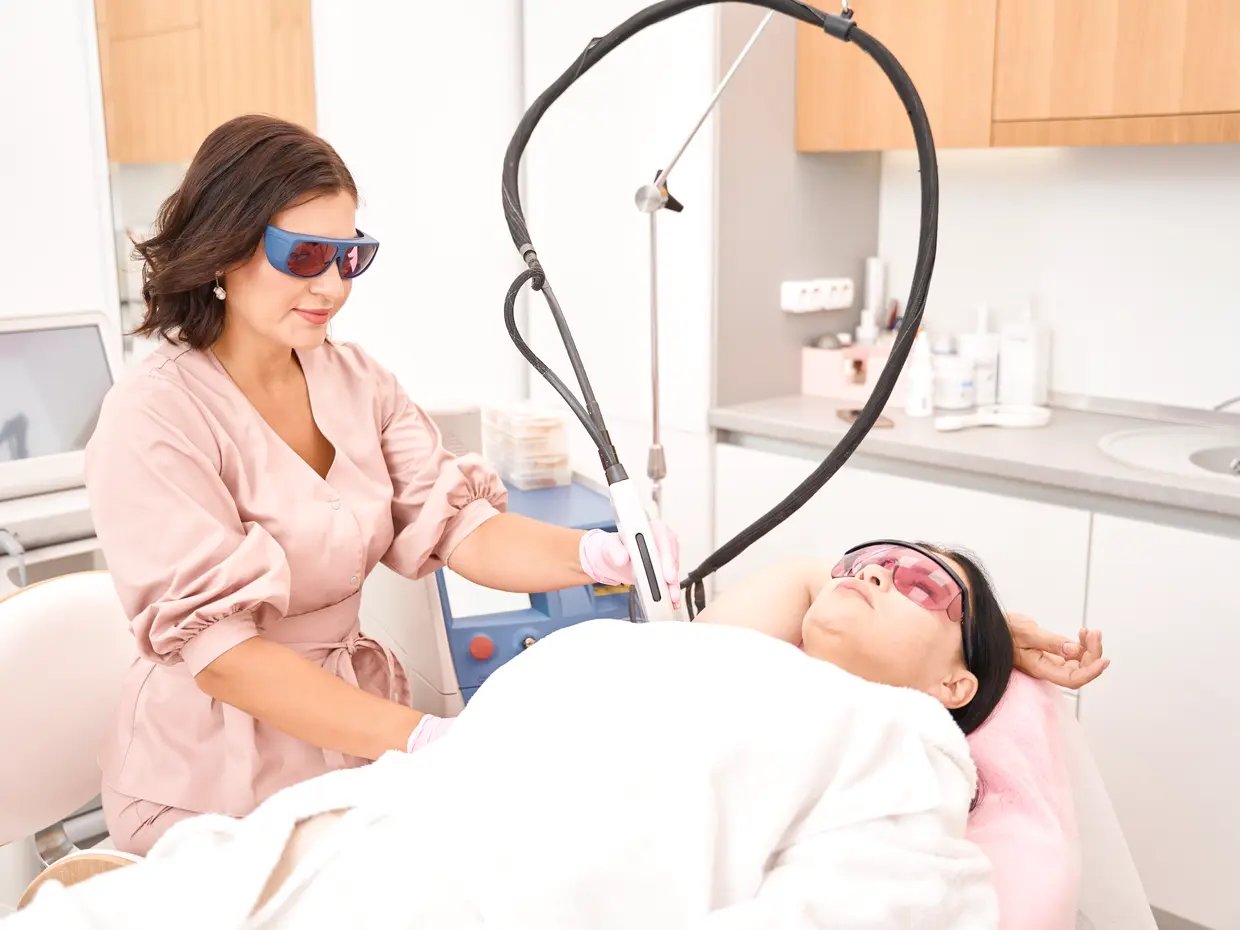
I tell people to think of it like a deep clean for your face. The laser energy injures the old surface cells that are hanging on to sun damage, fine lines, and rough texture. In response, your body pushes those cells up and off to make space for the new skin it is building underneath. The peeling you see is just the old layer leaving. It usually means the treatment is doing what it is supposed to do.
What Normal Healing Looks Like
The amount of peeling depends on the strength and type of laser. A light laser facial might leave you feeling dry and a bit sandpapery for a few days. A stronger fractional laser can give you thicker, more noticeable shedding. The first day or two, your skin will probably look red, feel warm or tight, and be a little puffy, very similar to a sunburn.
Around day three, the peeling usually starts. For some people, it shows up as tiny, dusty flakes. For others, especially after a treatment focused on brown spots, those spots may darken first and look like little coffee grounds before they come off. All of that can be normal. During this phase, your main job is to leave it alone. No picking, no scrubbing, no exfoliating acids, no retinoids.
Stick to a gentle cleanser, a simple thick moisturizer to keep your skin comfortable, and very consistent sunscreen. Fresh skin is like baby skin; it burns and stains easier. If you pull at flakes before they are ready, you can cause scarring or new dark marks, which defeats the point of doing the treatment.
When Peeling Crosses a Line
Peeling itself is expected, but there are things I do not want you to ignore. Your provider's office should be your first call if something feels off. We would always rather you call for something small than wait on something serious.
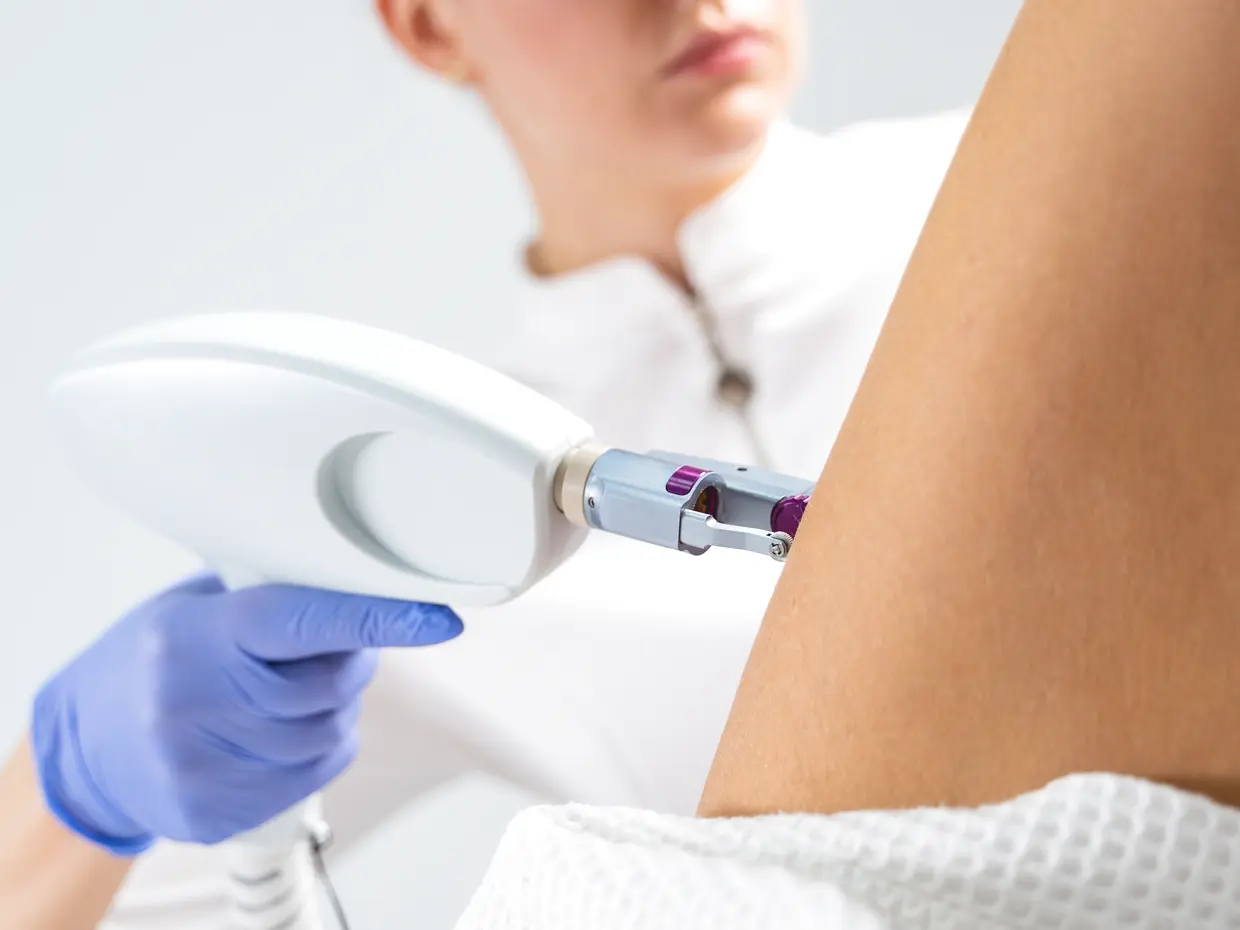
Here are the signs that deserve a phone call to your treatment provider:
- Significant oozing, especially with yellow or honey-colored crusts.
- Blisters forming on the treated area.
- Pain that is severe or gets worse after the first couple of days.
- A rash, welts, or intense itching.
- Red streaks appearing on the skin.
- Swelling that is extreme or continues to increase after 48 hours.
Sometimes it is just a reaction to a cream or ointment. These same symptoms can also mean infection or another complication, so it is better to have your provider look at it instead of guessing.
Skin Tone and Healing Considerations
Skin tone affects how you heal. Melanin is the pigment that gives skin its color, and it reacts quickly to irritation. In skin with more melanin, there is a higher chance of getting dark marks, called post-inflammatory hyperpigmentation or PIH, after any kind of injury, including picking at peeling skin.
This is why choosing someone who really understands your skin type matters. We adjust settings and techniques for different skin tones to reduce risk while still getting a good result. The same approach I use when I do laser work on darker skin applies to resurfacing. It comes down to respecting how your skin responds and picking the right tool and strength for you.
The Big Picture on Recovery
The peeling phase is temporary and honestly a little annoying. It feels like the messy middle of a remodel, but the new surface is under there. Stronger treatments, like the kind of fractional work you can get with the CO₂ system at Skin Anthology med spa in Los Angeles, usually mean heavier peeling and more downtime. Milder laser facials are faster to recover from, but the results are softer and may need more sessions.
Your provider should send you home with specific written aftercare. Follow that, not a random skincare routine you saw online. If something worries you, call the office. For general skin information from dermatologists, the American Academy of Dermatology has good public resources. The flaking will stop, and when it does you will see the newer skin you did all of this for.
Marisol Vega is a licensed esthetician in Los Angeles and the author of Sunroom Notes. Nothing here is medical advice; it is a starting point for a conversation with your own provider.
← Back to the journal