When to Pause Your Retinoid for a Laser Treatment
What I tell almost everyone is to stop any retinoid about five to seven days before a laser appointment. That means everything from prescription tretinoin to milder, over the counter retinol or retinaldehyde. I want your skin as calm and non-reactive as we can get it on treatment day.
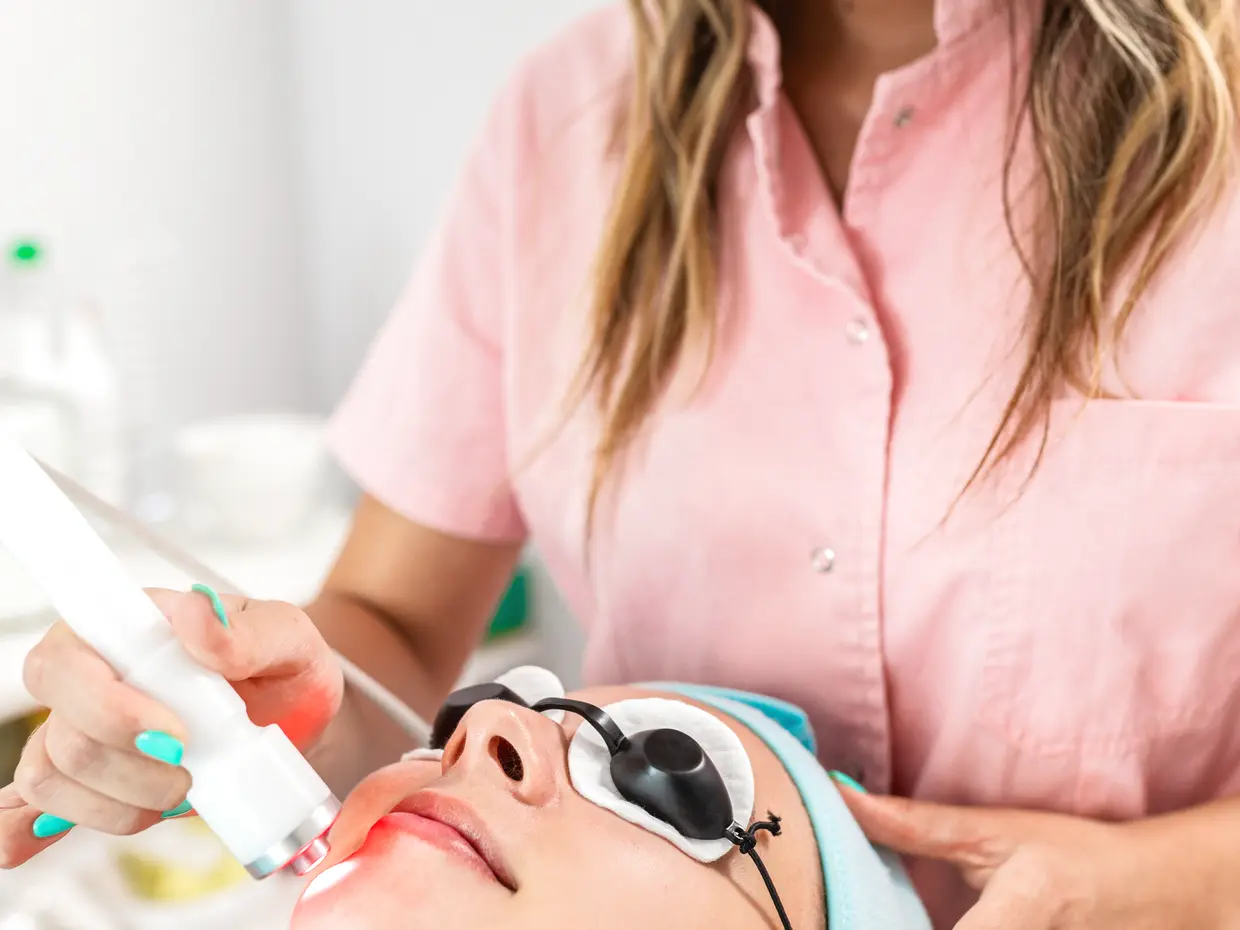
This timing is flexible. If you're on a strong prescription and you peel a lot or feel sensitive, I might push you to stop ten days ahead. If you're booked for a light laser facial and your skin is tough and used to actives, five days is usually fine. The laser itself matters too. A non-ablative resurfacing laser needs a calmer base than a simple laser hair removal session on an area that never complains.
We sort this out in your consultation. I look at your skin, listen to what you use and how you react, then make a call that keeps you safe and gives us a fair shot at a good result.
If you are unsure about how far in advance to stop, write down what you are using at home so you can bring that list to your visit. That way we can talk through each product, including less obvious retinoid sources like some brightening serums or night creams that quietly contain retinol or related ingredients. Being open about any recent peels, waxing, or strong exfoliating treatments also helps create a clearer picture of what your skin has handled lately. All of that context shapes the plan we settle on together.
Think about what is happening in your wider routine too. If you have a big event coming up, such as travel, photos, or a special gathering, we can plan your retinoid break and laser timing so you have enough buffer for both healing and reintroduction. That kind of planning keeps you from feeling rushed or tempted to stack treatments too close together. Instead of scrambling or guessing, you move through the process with a calmer, more predictable rhythm that respects how skin actually behaves.
When Is It Safe to Start Again?
After a laser, your skin is in healing mode. A laser creates a controlled injury so your body kicks on repair. While that is happening, the barrier is weaker and more reactive. This is not the time to ask it to speed up cell turnover.
Putting a retinoid on healing skin can stir up a mess. You can get strong redness, irritation, and peeling that goes way past what you know as normal for your product or for the laser. It can slow or confuse the healing process and raise the chance of post-inflammatory hyperpigmentation, which might be the very thing we were trying to fix.
How long you wait depends on the treatment. With a gentle laser like Clear + Brilliant, I usually wait until that rough, sandpapery feel is gone and the skin feels like itself again. That is often about five to seven days. With a stronger resurfacing laser, the gap is longer, sometimes a few weeks. You wait until the surface is fully closed, with no raw or weepy spots and no big areas of strong redness.
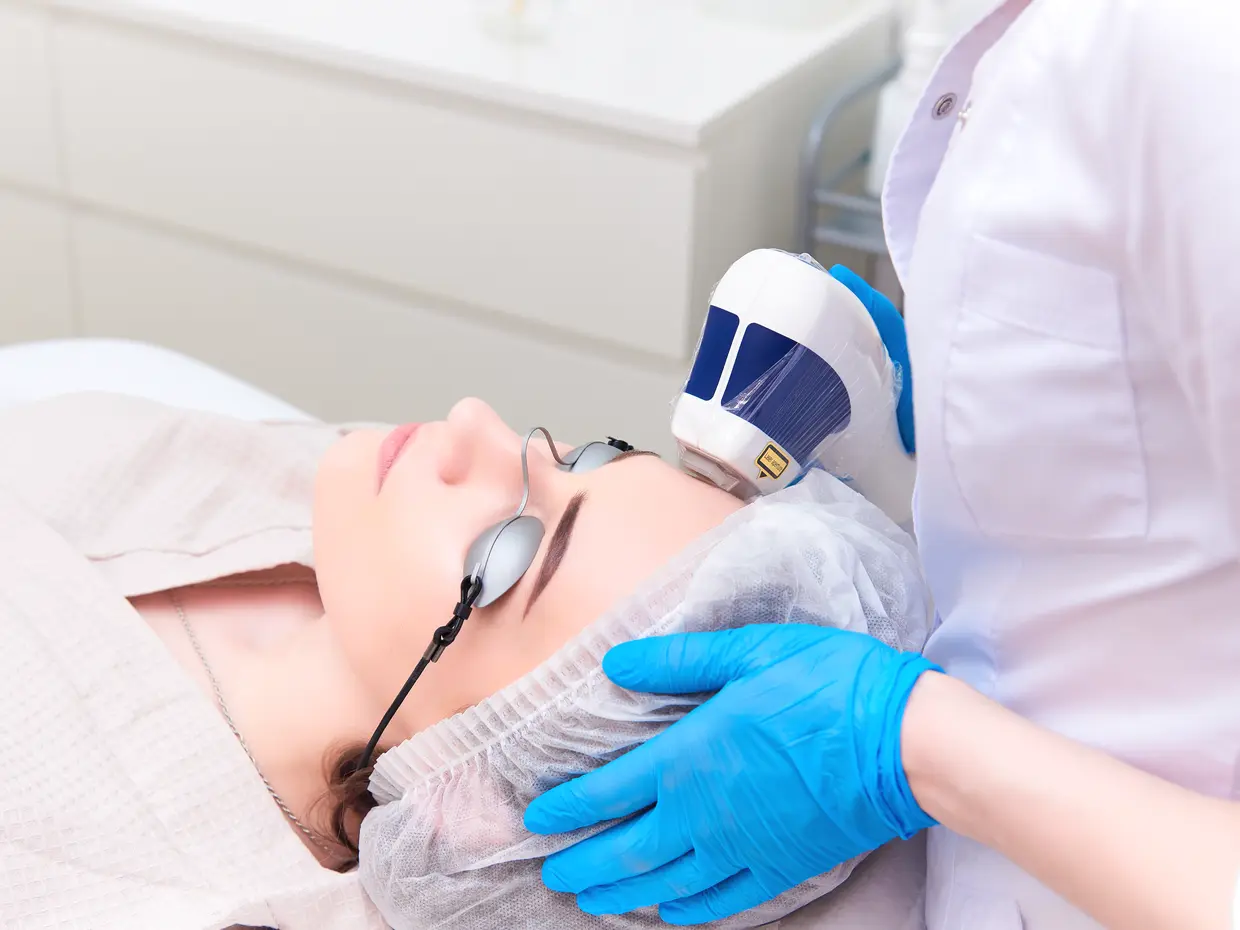
Your skin will tell you when it's ready. A bit of lingering pink is common after some procedures, but serious or stubborn irritation means you pause. It helps to know which types of laser redness are fine and which are not. When your face feels like your own again without extra sensitivity or flaking, then you can think about bringing your retinoid back.
If you feel unsure at any point, talk to a licensed provider before you restart. A short visit or virtual check in can clear up questions about what is normal healing and what suggests that you should wait longer. Sometimes the surface can look calm while the deeper layers are still settling. An experienced eye can spot those patterns and may adjust your timeline so you are not rushing into irritation. That kind of small adjustment can save you from several uncomfortable weeks and help your long term results look smoother and more even.
How to Reintroduce Your Retinoid Post-Laser
Do not jump straight back to your old routine. Your skin has just been through a treatment and its tolerance is lower. You ease in.
Go slow at first. For the first week, use your retinoid once or twice. Watch what your skin does. If you get stinging or see odd redness, give it a few more nights off. If your skin seems fine, you can build back to your usual schedule over the next couple of weeks.
I often suggest buffering. Put on a simple, gentle moisturizer first, let it sink in, then apply your retinoid, and you can add another thin layer of moisturizer on top. That gives a light barrier that takes the edge off the retinoid without canceling it out.
I think of it like reintroducing an old friend to your skin, which is a bit tender and tired. They need a short, calm visit, not an all-night party.
Retinoids and lasers are strong tools for changing skin over time, just not at the exact same moment. Building in a break is not losing progress. It is part of how you protect the work you just did with the laser and give your skin a fair chance to respond well.
As you settle back into your retinoid rhythm, keep the rest of your routine fairly simple. Gentle cleansing, bland moisturizer, and steady sun protection create a background that lets you read your skin clearly. If you stack on strong exfoliating acids, scrubs, or new actives at the same time, it gets hard to tell what is causing any reaction. Simplicity makes the signals clearer. If things stay calm for a couple of weeks, then you can slowly layer other products back in if you still want them.
Over time, this pattern of pausing before treatments, resting during healing, and easing back into active products becomes familiar. You begin to sense what your skin can handle and when it starts to whisper that it needs a break. That awareness turns scheduling into a smooth, repeating cycle instead of a guessing game. The goal is steady progress with fewer flare ups so your skin can reflect the care and planning you are putting into it.
Marisol Vega is a licensed esthetician in Los Angeles and the author of Sunroom Notes. Nothing here is medical advice; it is a starting point for a conversation with your own provider.
← Back to the journal